Hubspot landingpage header template_APPES_3

Join us for a live webinar on how laboratory APXPS is opening up complex catalytic systems, from electrochemical interfaces to plasma-assisted reactions. 

Operando catalyst studies once required a synchrotron. Today, fully integrated laboratory systems make them routine, supporting the shift from fossil-based to renewable carbon and energy sources.

October 27, 2026 | 4:00 pm – 5:00 pm CET


What you will learn:

Operando studies in your own lab

How integrated laboratory APXPS systems make catalyst studies routine, without a synchrotron.

Electrocatalysis at the interface

Recent developments in laboratory APXPS for studying electrochemical interfaces under realistic conditions.

From plasma research to lab practice

How leading scientists are turning plasma catalysis research into practical laboratory methods.

Hear from our speaker

About this webinar

 For many years, operando catalyst investigations using APXPS were largely confined to synchrotron facilities. Today, advances in laboratory instrumentation have made it possible to perform these studies routinely in the laboratory using fully integrated systems that combine high-performance spectroscopy with controlled reaction environments. 
Learn more

This webinar explores how laboratory APXPS is enabling the study of increasingly complex catalytic systems, from electrochemical interfaces to plasma-assisted reactions. We will present recent developments in laboratory APXPS and electrocatalysis, and discuss how turnkey laboratory solutions are making advanced catalyst characterization more accessible.

Beyond methodological advances, ambient pressure X-ray photoelectron spectroscopy is emerging as a key analytical tool for addressing some of the most pressing challenges in the global transition from fossil-based to renewable carbon and energy sources. By providing direct insight into catalyst surfaces and reaction mechanisms under realistic operating conditions, APXPS helps researchers develop the materials and processes needed for sustainable production of fuels, chemicals, plastics, and fertilizers from renewable feedstocks such as green hydrogen, biomass-derived compounds, captured CO₂, and renewable electricity.

In the second part, the webinar showcases state-of-the-art plasma catalysis research and illustrates how leading scientists are translating frontier research topics into practical laboratory methodologies. Attendees will gain insight into how APXPS is helping bridge the gap between fundamental surface science and the development of next-generation catalytic technologies for a more sustainable chemical industry.

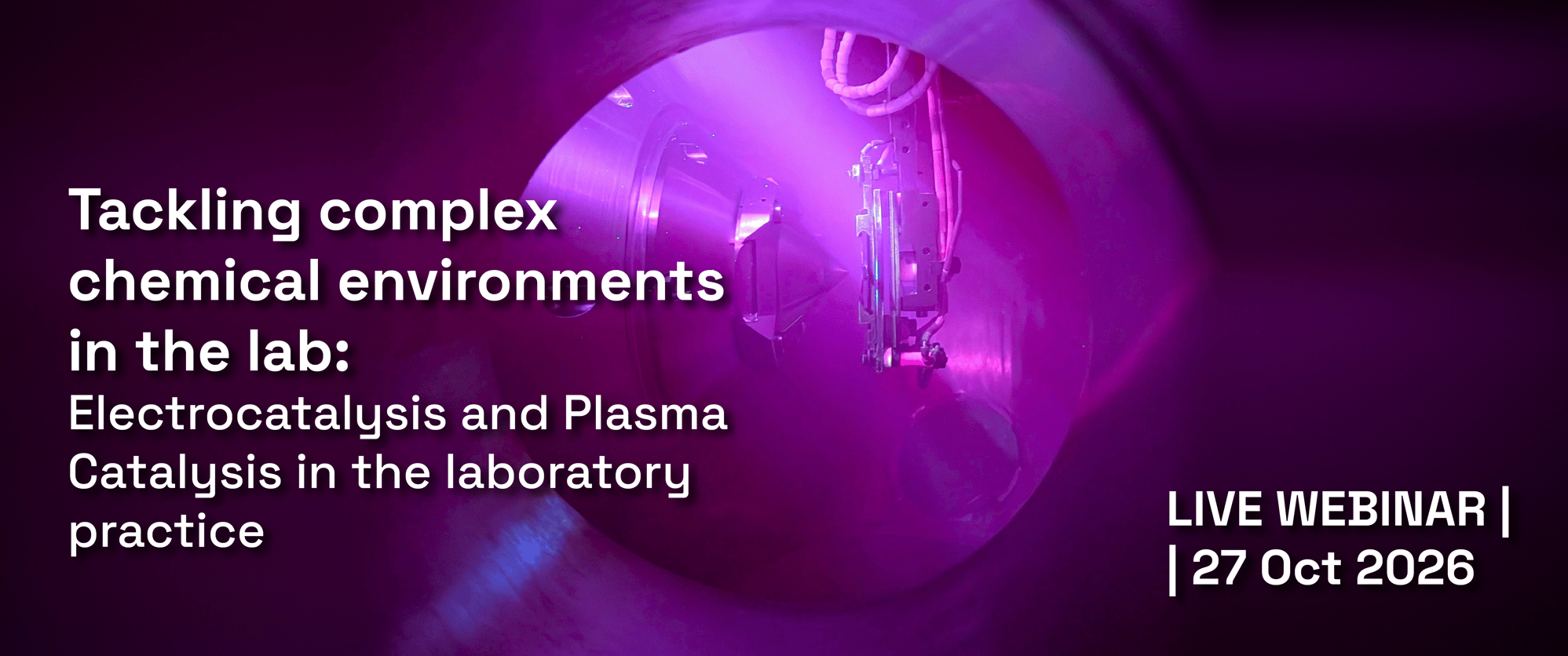
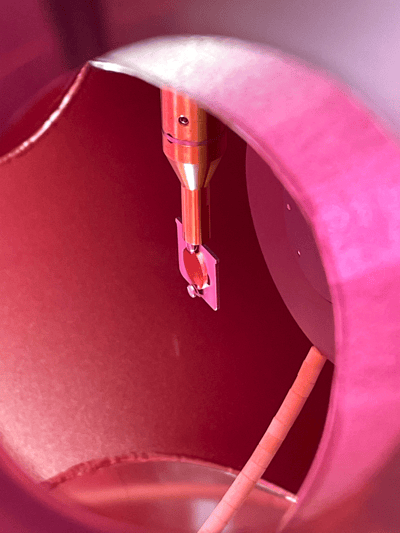
sample in plasma

Meet the speakers

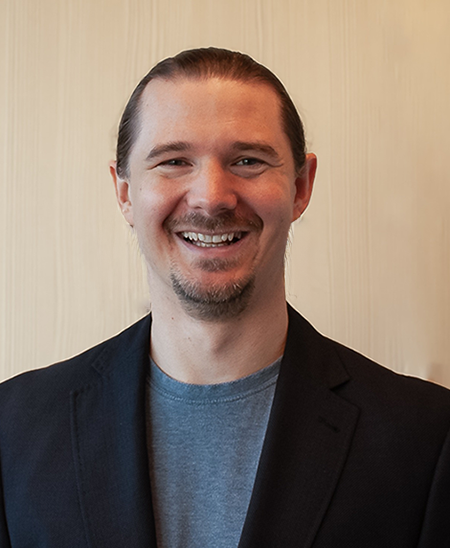
Patrick Lömker

Dr. Patrick Lömker

 Product Manager – Ampient Pressure XPS, Scienta Omicron 

Patrick Lömker has been driving research at Synchrotron and home laboratories since 2014 and hold a PhD in Physics about magnetic oxide surfaces that he studied using various photoelectron techniques. Since 2018 he had been involved with chemical surface science aimed at understanding and transforming the chemical industry towards a green direction.

Patrick joined Scienta Omicron in 2025 and is now heading the development of the APPES product line that enables our customers to excel in their research.

Photo_Roland Bliem_Groot-formaat-SRGB_portrait

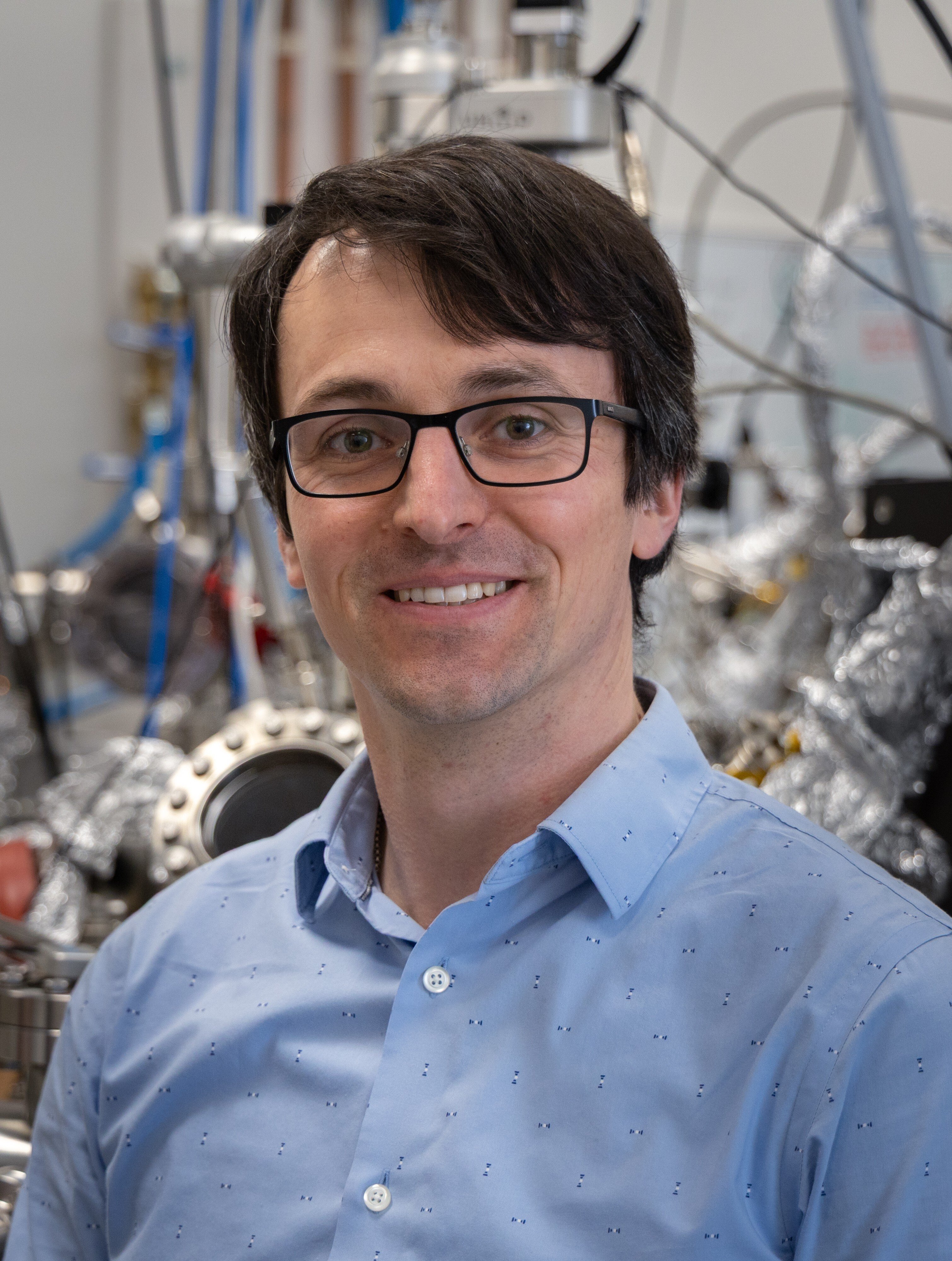
Dr. Roland Bliem

Associate Professor,  Advanced Research Center for Nanolithography, University of Amsterdam 

 Roland Bliem is an associate professor at the University of Amsterdam and group leader for Materials and Surface Science at ARCNL. He received his PhD in physics with honors at the TU Vienna in the group of Prof. Ulrike Diebold for his work on single metal adatoms at the magnetite Fe3O4(001) surface as model systems for single-atom catalysis.

In 2016, Roland moved to Prof. Bilge Yildiz's lab at MIT to study the stability of cathode materials for solid oxide fuel cells, supported by an Erwin Schrödinger fellowship of the Austrian Science Fund. In 2019, he became group leader at ARCNL, where his group focuses on the evolution of surfaces in low-temperature plasmas for applications in nanolithography and plasma catalysis. In 2023, he received an ERC Starting grant “SURPLAS” for the study of the active state of surfaces in plasma-assisted catalysis. 


Explore the technology

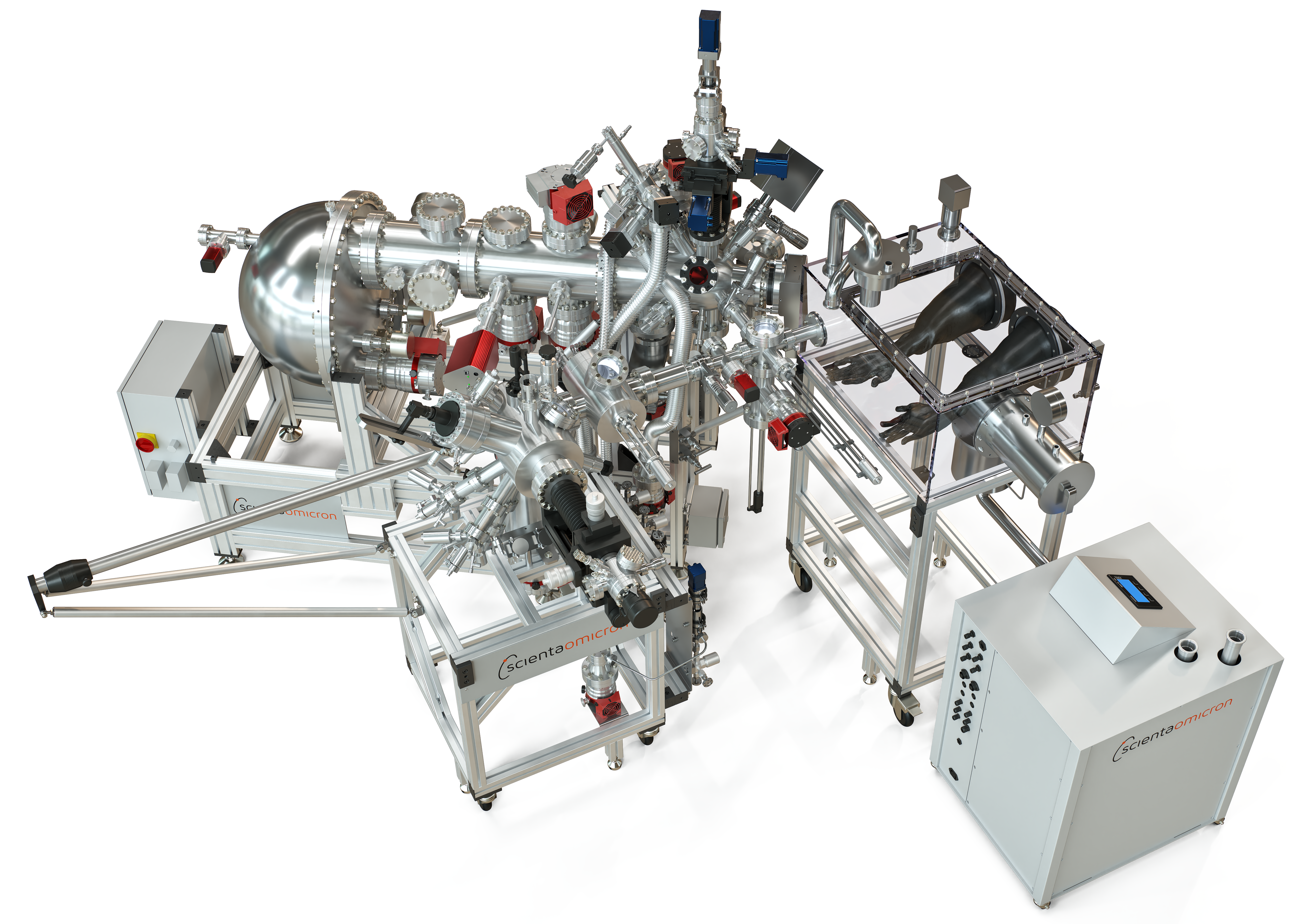
HippLab_Cam_022025-10-27-1

APXPS

Ambient pressure X-ray photoelectron spectroscopy (APXPS) reveals the chemical state of catalyst surfaces under realistic gas and reaction conditions. Our HiPP Lab solution brings this capability into your own laboratory as a fully integrated system. 
 
Learn more

Ready to join us on 27 October?